Day One
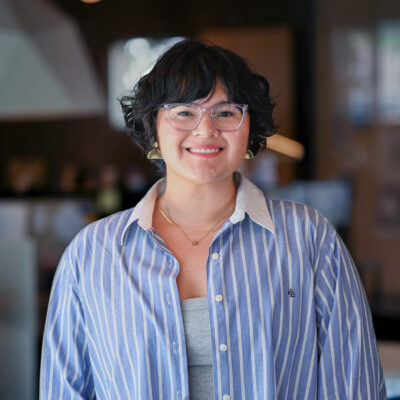
I took the familiar journey from Phoenix to my childhood home in Yuma, Arizona on an overcast April morning. After a quick lunch with my grandparents, I drove to San Luis to meet ACLU of Arizona writer, Genesis Lara, and Rural Arizona Engagement (RAZE) Education Manager, Jorge Flores, who shared details about the organization's youth program, RAZE Leaders. The program supports rural high school students in increasing civic engagement by developing leadership skills and empowering them to find solutions to problems facing their own community.
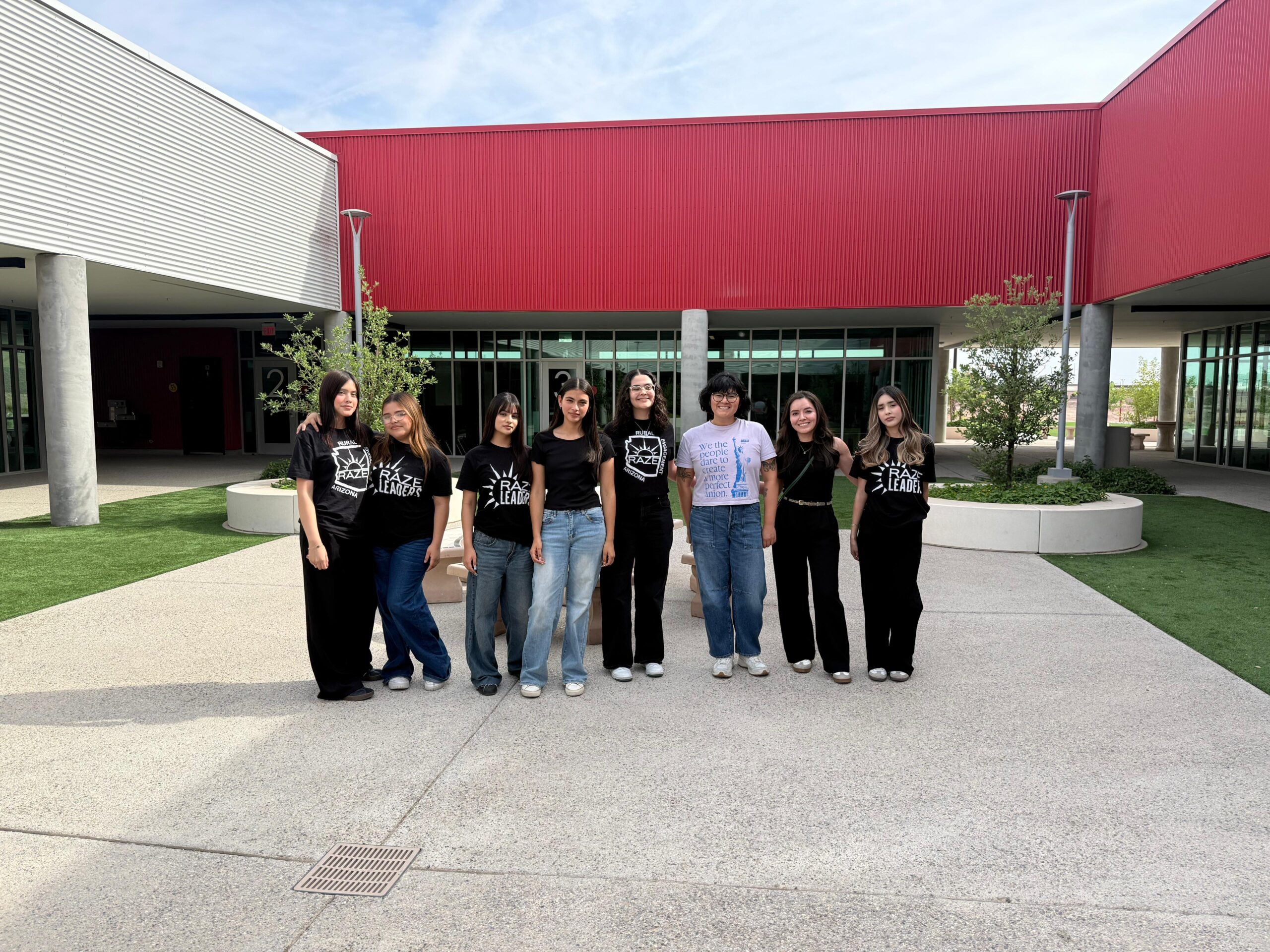
Amanda (third from the right) and Genesis (second from the right) stand for a photo with six RAZE Leaders in San Luis, Arizona.
Jorge Flores
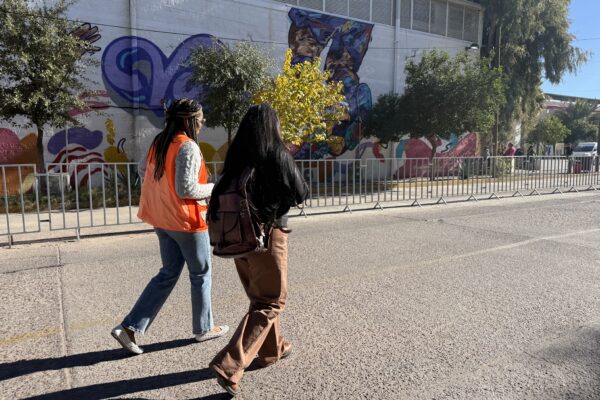
We later met with a group of seven RAZE leaders at a high school within walking distance of the San Luis Port of Entry. They were working on plans to host a Protect Our Pueblos workshop in Yuma later in the month, where they will be teaching families how to prepare for potential encounters with immigration authorities and emergency family plans. The students also told us how the immigration system has impacted their lives and showed us photos documenting routine Border Patrol presence in their neighborhoods.
That evening, Genesis met with the Yuma-based drag queen, Poison Oshanns, who was performing at the Arizona Pride Tour over the weekend. They were introduced by Christopher Hall, who performs as Miss Nature and brings the art of drag to rural communities every year despite occasional unwarranted pushback from city councils.
Day Two
Genesis and I came across a protest outside of the Yuma County Administration Office, where people were voicing opposition to a closed-door information session about data centers. Their protest resulted in the decision to allow the general public to enter and submit questions.
Our first scheduled meeting of the day was across the street at Cafecito, where we met Audren Morris-Sandoval, MPP, founder and executive director of FLORECER Yuma. FLORECER partners with high schools throughout Yuma County, Arizona and Imperial County, California – including the Cocopah and Quechan tribal nations – to equip students and their families with the tools, skills, and knowledge to increase college readiness. FLORECER also serves justice involved youth through its partnership with the Yuma County Juvenile Justice Center, helping expand access to higher education and career pathways.
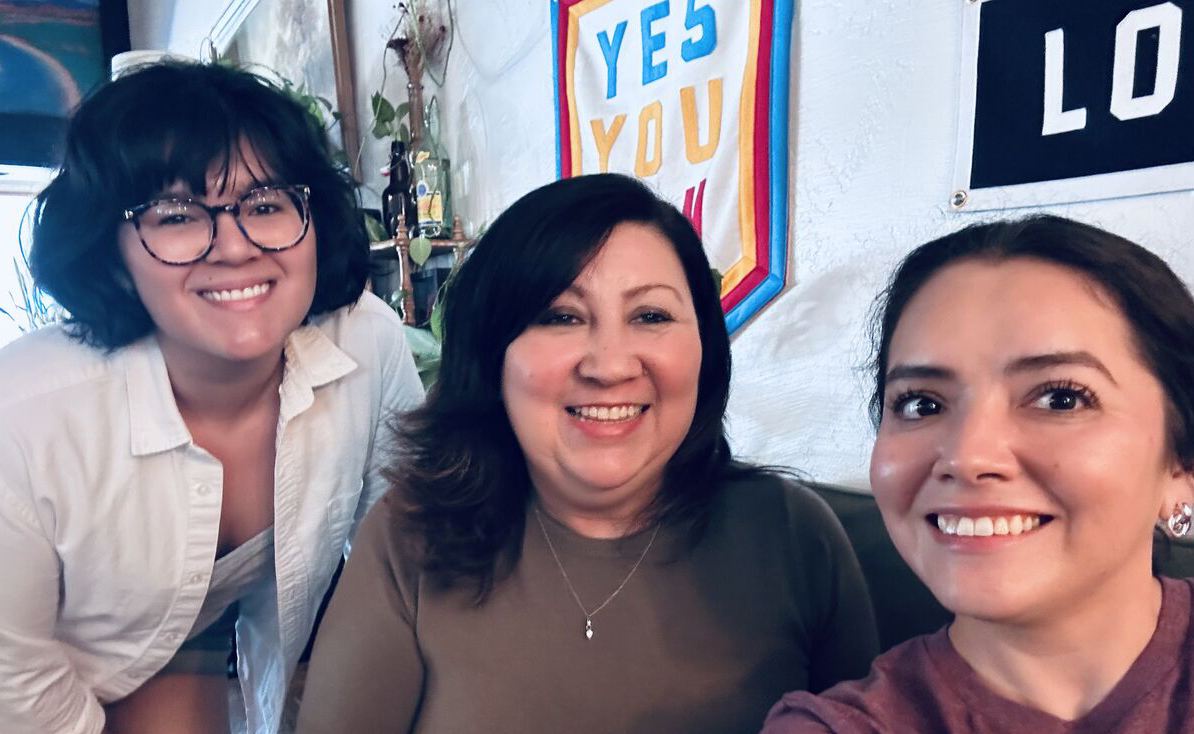
Amanda, Audren, and Genesis pose for a selfie over coffee at Cafecito.
Audren Morris-Sandavol
Audren shared the challenges many first-generation students face in the rural southern border region – where many students are the first in their family to attend college, the first born with U.S. citizenship, and often both. She explained that students from this region, including Latino, immigrant, and indigenous students, and students from seasonal farm working families, frequently encounter significant barriers to navigating college admissions, financial aid, and more.
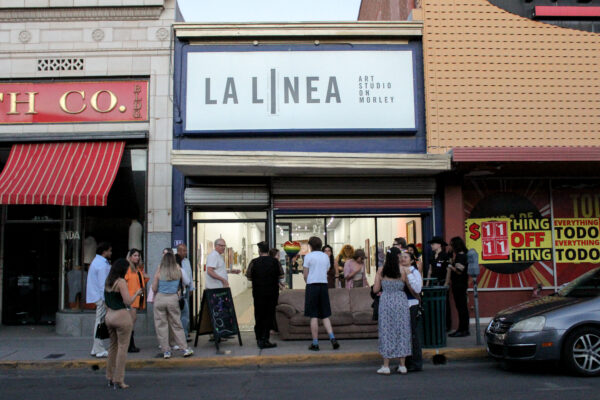
Our next stop of the day was at Sunny’s Book Truck to meet with independent bookstore owner, C.J. Alberts. C.J. has carefully curated the bookstore to be a welcoming and safe space for LGBTQ+ community members.
Our final meeting was with Priscila Ruedas, a community advocate and public health professional with the University of Arizona. Her research focuses on farmworker health, Latinx health disparities, health equity, advocacy, and community-based participatory research. She shared insight on the inhumane conditions farmworkers often endure while working under extreme heat with few protections.
Day Three
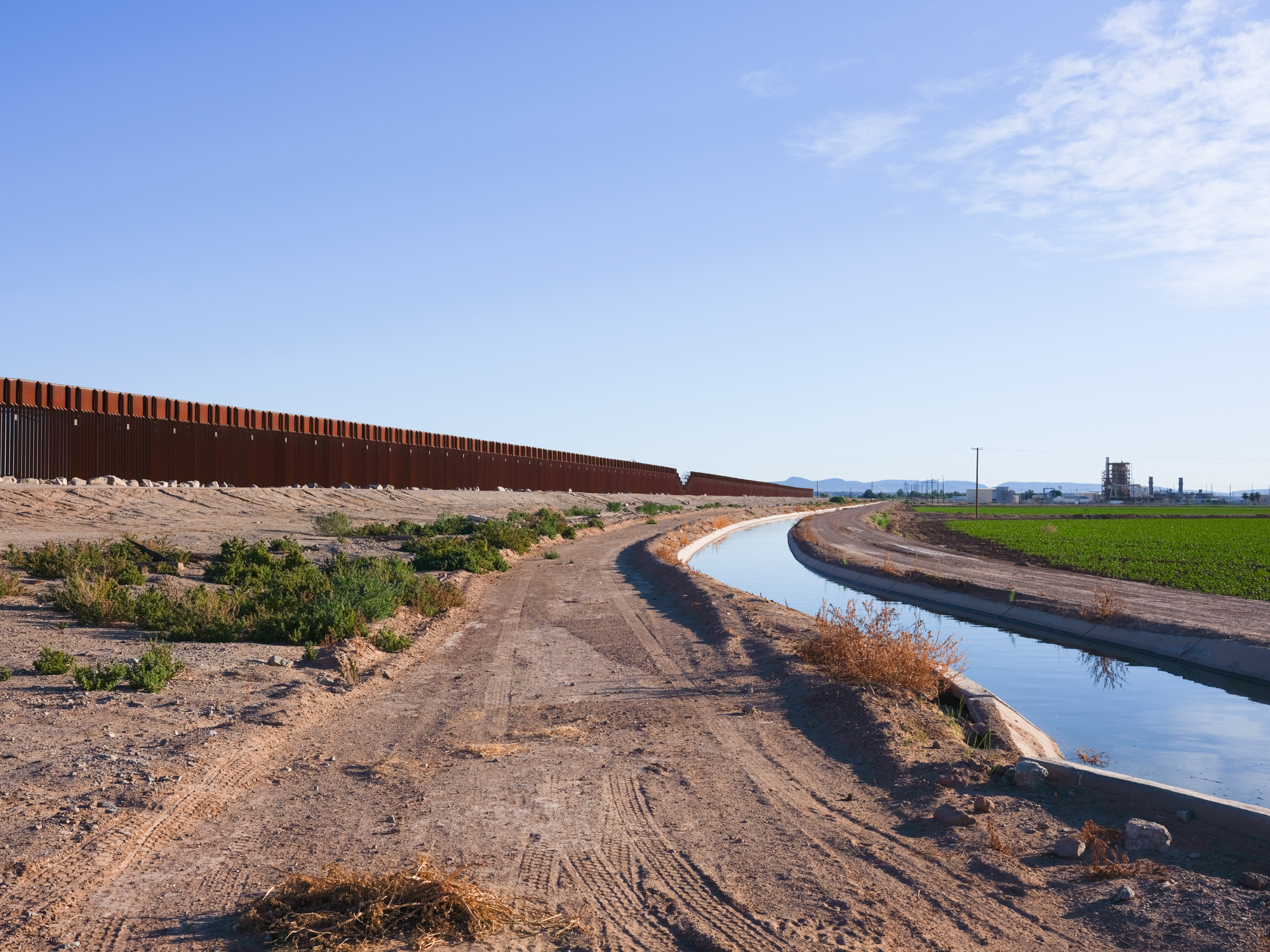
Genesis and I began our last morning in Yuma at the border wall.
We had been told about a point where members of the Army had been stationed – where the infamous steel bollards end and the Cocopah Reservation, whose tribal members have not granted the federal government permission to build the wall, begins. As we drove down the unpaved levee road, we spotted two empty tactical vehicles and a camouflage tent, but no soldiers were in sight.
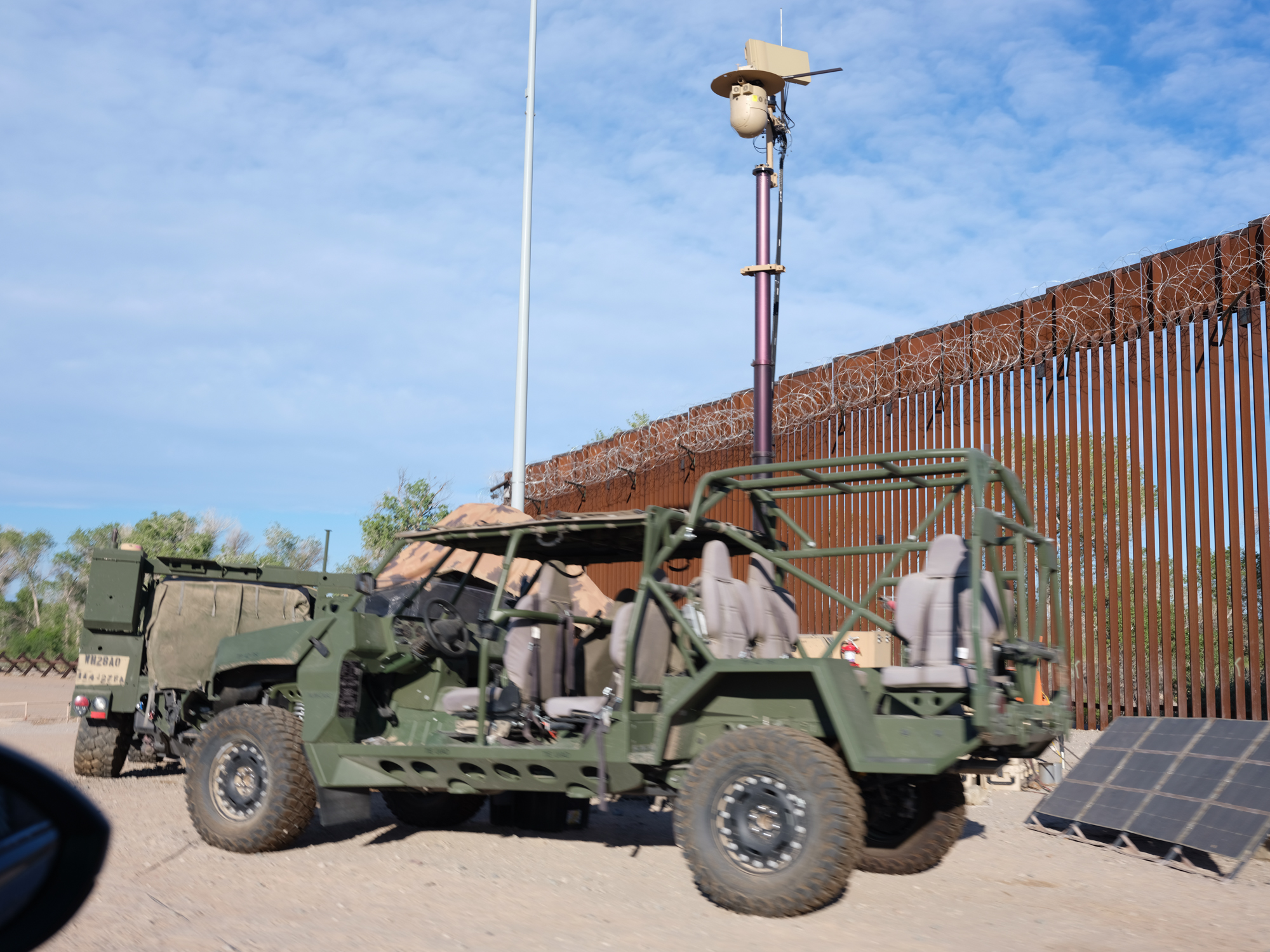
Two empty tactical military vehicles stationed at the Northwest point where the U.S. border wall ends at the Cocopah Reservation begins.
Amanda Mollindo
We continued down the 13-mile stretch of wall-free road until the wall began again, this end watched by a Border Patrol agent and his patrol dog sitting in a parked truck. We returned to the main road just north of San Luis, stopping to explore the neighborhoods along the wall and Gadsden Park.
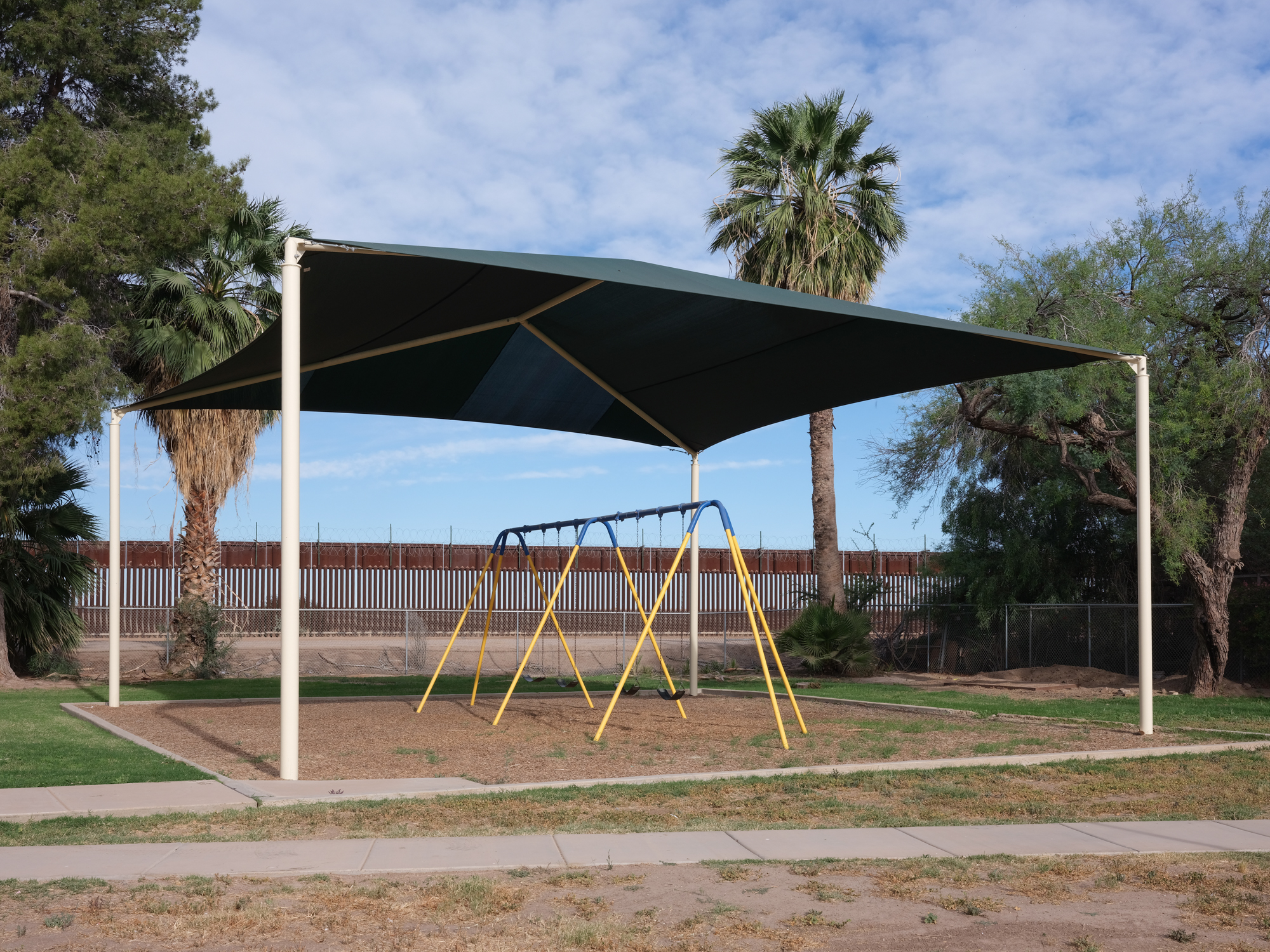
The U.S.-Mexico border wall is visible behind a covered swing set at Gadsden Park.
Amanda Mollindo
From there, we drove back to Yuma to see the old Yuma Swap Meet grounds. Community members told us that the 60-year-old gathering place had been taken over by Border Patrol to expand migrant shelter back in 2023, but no plans ever came to fruition.
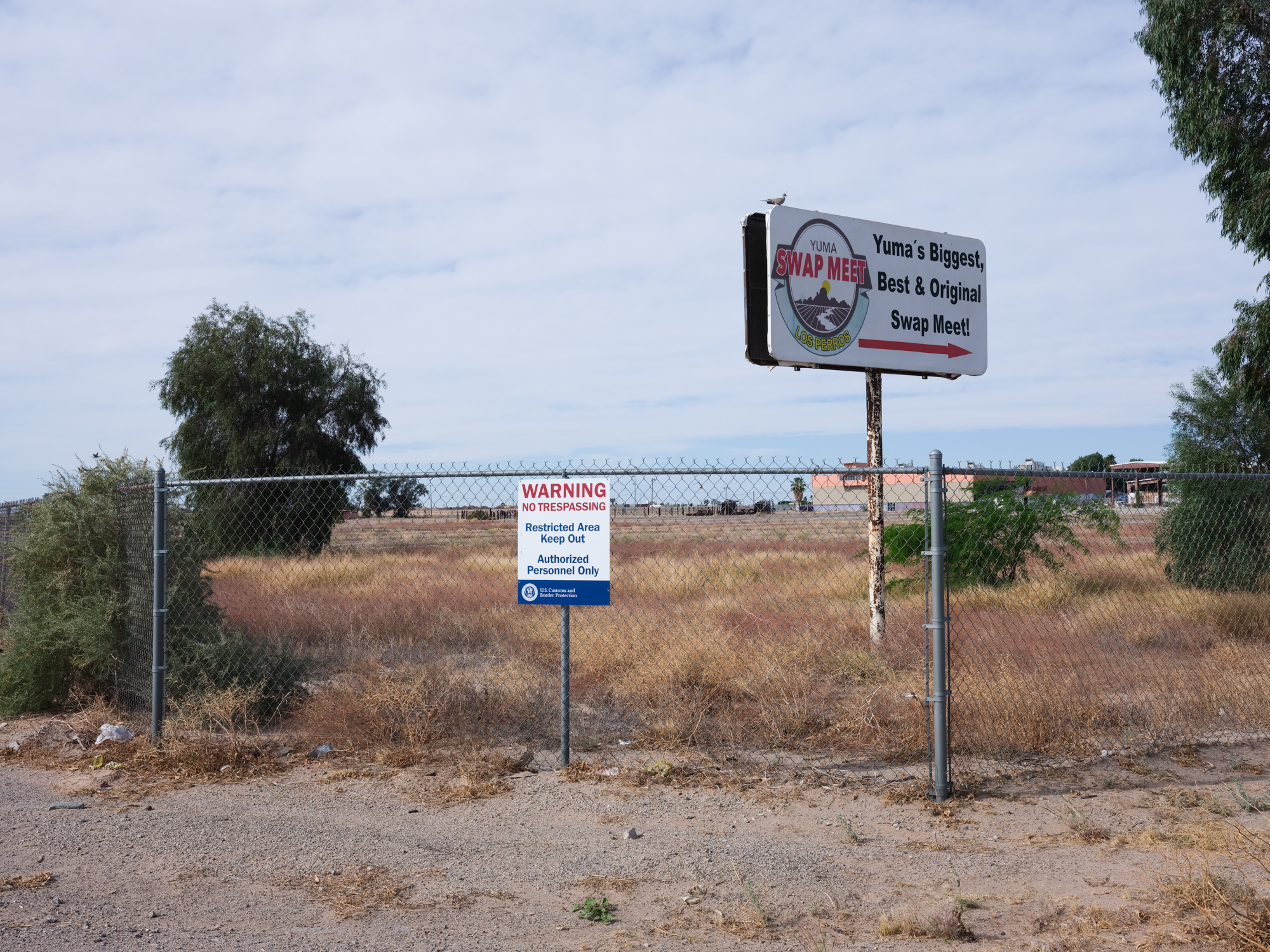
An old billboard for the Yuma Swap Meet stands tall in an overgown field behind a chain link fence with a "no trespassing" sign from U.S. Customs and Border Protection.
Amanda Mollindo
While driving through the busiest intersection in town, we noticed a group of people holding signs protesting the Trump administration and the Iran War. We pulled into a nearby parking lot to learn more. We were pointed to Darlene Irwin, who leads Yuma Indivisible. She told us that the group holds protests every week and organizes the larger No Kings protests in the city.
We made our way to RAZE’s Yuma office next, where we met with organizer Jhanitzel Bogarin, who had just returned with a group of volunteers who were distributing food and essential supplies to people facing homelessness. Jhanitzel spoke to us about the challenges people in Yuma County face when it comes to elections. For example, the county’s limited number of voting centers can lead to long lines forming under the intense November sun, and extensive voter ID requirements can be a barrier for eligible citizens trying to register to vote. She, like many other people we spoke to, wished that organizations and elected officials paid more attention to the needs of the community year-round, not just during the election cycle.
Genesis ended the trip with an interview with Yuma resident Robbie Rodriguez, who was slated to perform as Inky Oshanns at the Yuma Art Center that evening. He spoke about the queer community’s ongoing fight for recognition amid the lack of support from local government officials.
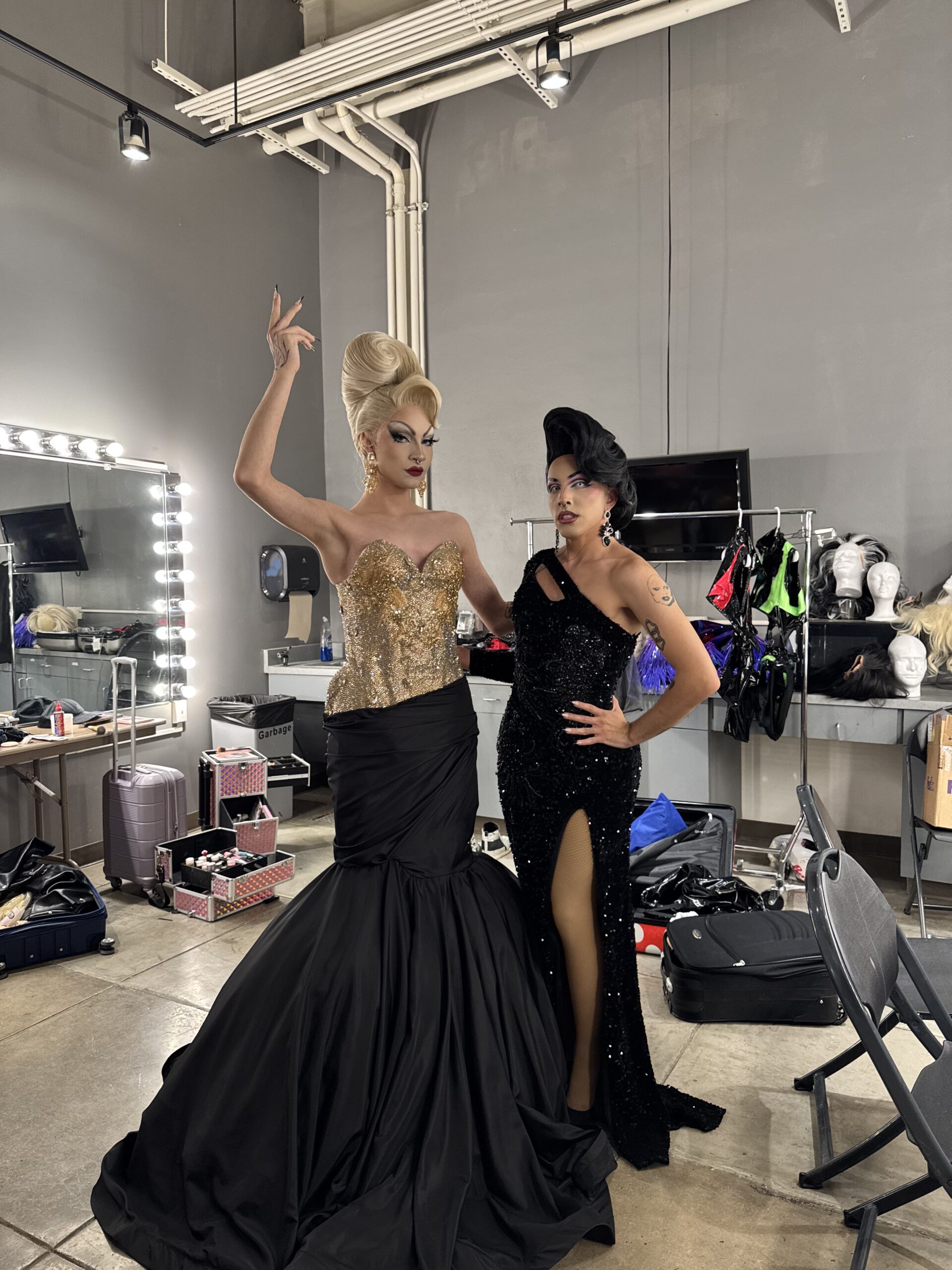
Poison Oshanns (left) and Inky Oshanns (right) pose backstage before performing for the Arizona Drag Tour at the Historic Yuma Theater.
Poison Oshanns
Reflections
My trip home reminded me why I joined the ACLU of Arizona in the first place – to advocate for a state where everyone can prosper, thrive, and live in liberation with dignity and freedom. The people we spoke with made it clear that they want what all Arizonans want: access to quality education, healthcare, housing, and opportunities. While politicians capitalize on dishonest narratives about the region to send billions of dollars to Customs and Border Protection and the construction of a border wall, the needs of the people who live in Yuma, San Luis, Douglas, Nogales, and places in between too often go ignored.
When I was given the opportunity to bring the affiliate’s vision for the border storytelling project to life, I knew that this work must be informed by lived experiences and community voices. Genesis Lara and Andrea Camacho-McCracken – who both have their own personal ties to the region – are working thoughtfully and compassionately to share stories that need to be told. Together, we are building new connections with Arizona’s border communities to ensure the ACLU of Arizona is listening to and advocating for Arizonans across the entire state.
Read our first two stories here: